JPMorgan Chase, Visa and Mastercard have confirmed that customer details were stolen. None of the three was hacked directly: the data was taken from companies that work for them. No passwords or card numbers were taken, as far as anyone knows. But a list of names and email addresses tied to a bank or card is exactly what scammers need to write a convincing message.
What happened
A cyber-extortion group calling itself n0n posted stolen data online after a ransom deadline passed. According to Cybernews, which examined the leak, it contains around 16,000 customer email addresses linked to JPMorgan's invitation-only Reserve card, with phone numbers and account IDs in some records, plus more than 100 bank staff email addresses. Euronews reports the 16,000 figure as covering customers of all three firms. None of the companies has said how many people are affected.
In a statement quoted by Outlook India, JPMorgan said attackers targeted "third parties who provide services to the firm" and that it believes they accessed "certain marketing data" held by those suppliers, which "may include some customer names and email addresses". It says its own services weren't affected and it will contact affected customers, offering free credit monitoring where appropriate.
Visa said the incident involved a third-party service provider in the Asia-Pacific region and that "no payments data such as card numbers were affected". Mastercard described the exposed information as non-payments information from a subset of cardholders. None of the firms has named the suppliers involved (PYMNTS).
The coverage we read doesn't mention UK customers specifically, and n0n's claims haven't been independently verified.
Why a leaked email address matters
On its own, an email address isn't a disaster. The problem is context. Once a scammer knows you hold a particular card or bank account, they can send an email that looks exactly like a genuine alert: your name, the right bank, perhaps a real account reference. That's far more convincing than a random "Dear customer" message.
This is also a reminder that your details don't only live with the brands you deal with. Banks and card firms use marketing agencies, mailing houses and other suppliers, and you'll rarely know their names. When one of them is breached, you may never hear about it until the phishing emails arrive.
What this means for you
If you have a card or account with any of these firms, assume your name and email could be on a list scammers are using, even if you haven't been contacted. Expect messages that mention the breach itself, offer "compensation", or ask you to "verify" your account. The same applies to every company you've ever given your email address to.
What to do this week
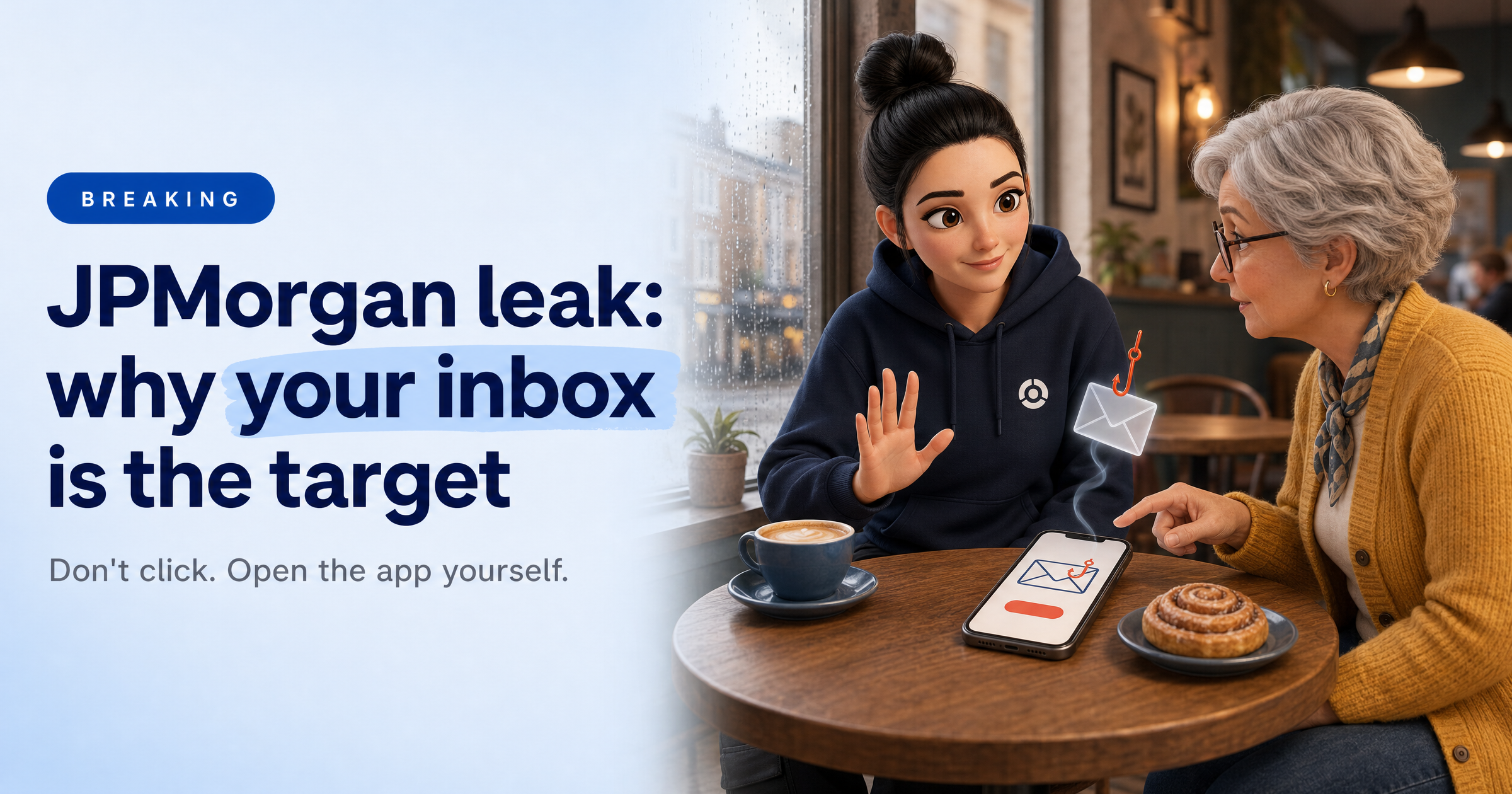
Don't click links in bank emails. If an email says there's a problem with your account, close it and open your banking app or type the address yourself.
Treat breach-related messages with extra suspicion. Real banks won't ask for your password, PIN or one-time codes by email, text or phone.
Check where your email has leaked. Use a breach-checking service such as Have I Been Pwned to see which breaches your address has appeared in, and change any reused passwords.
Turn on two-step verification. Add it to your email account first, because whoever controls your inbox can reset most of your other passwords.
Report suspicious emails. In the UK, forward scam emails to [email protected] and texts to 7726.
Why it matters at work too: the same trick works on businesses. A supplier's marketing list is just as useful to someone sending fake invoices to your accounts team.
Sophia Says
"What bothers me about this one is that the customers did nothing wrong. They gave their details to a bank they trust, and those details ended up with a supplier they'd never heard of. That's the reality now: your information is spread across far more places than you can see."
"You can't protect what you can't see, so start by finding out. Check which breaches your email address has turned up in, change any passwords you've reused, and switch on two-step verification for your email. Then treat any message about this breach as a test: don't click, go to the app yourself. A few minutes now saves a lot of stress later."
— Sophia, HackRisk AI Security Analyst
Sources
- Cybernews: Hacker leaks details of JPMorgan's ultra-wealthy cardholders
- Euronews via Yahoo News, 20 November 2026: Hackers leak stolen data on 16,000 Visa, Mastercard and JPMorgan customers
- Outlook India, 20 November 2026: JPMorgan data breach 2026
- PYMNTS, November 2026: Visa, Mastercard and JPMorgan customer data leaked in breach